What Clients Can Expect and Why It’s Changing Lives at Lutheran Family Services
As interest grows in ketamine‑based treatments for severe and treatment‑resistant depression, staff at the Lincoln Lutheran Family Services (LFS) office are working to expand access, educate the community, and clarify what the treatment process actually looks like for clients.
The program is still relatively new at LFS, but early outcomes have been promising.
“We’ve had huge success with this,” Bobbie McGowan, Director of Integrated Health Program Development with LFS, shared. “Clients tell us things like, ‘I don’t remember a time in my life when I was ever happy or not having suicidal thoughts.’ With this treatment, they’re able to work, function, and live productive lives. It’s truly life‑changing.”
How the Treatment Works
Spravato treatment begins with a structured, closely monitored schedule.
“It starts out twice a week,” McGowan explained. “When they’re here for a treatment, they have to be here for two hours to be monitored.”
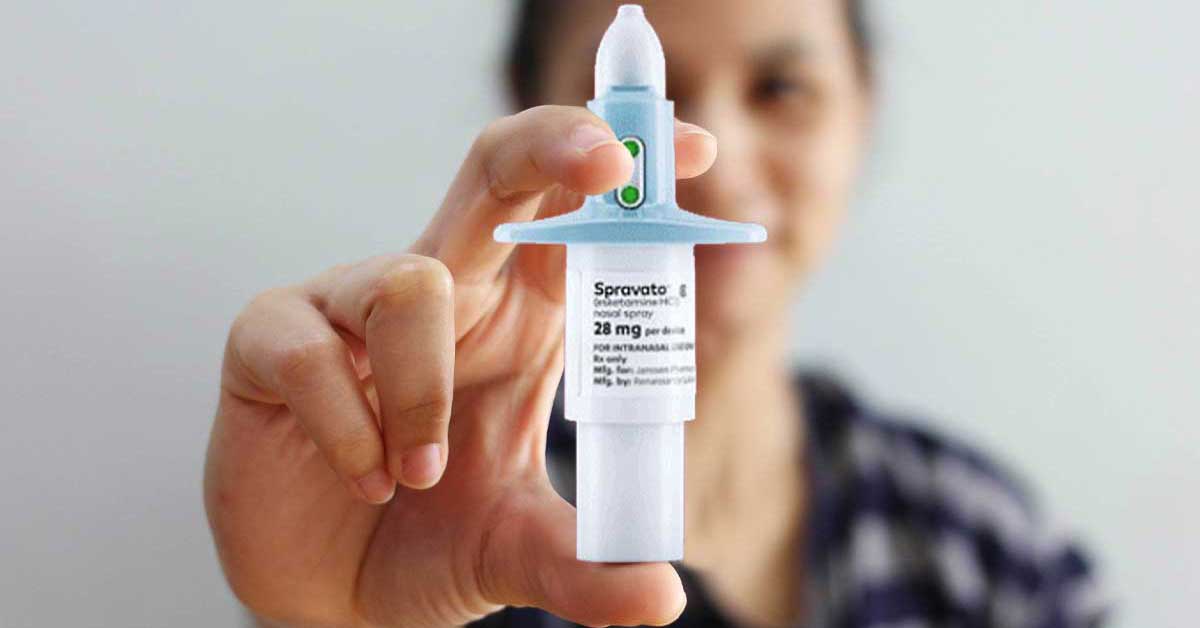
Spravato is administered as a nasal spray that clients self‑administer under supervision.
“Our nursing staff watches them do it,” she said. “It can cause some dissociation—almost like they’ve been using drugs—because it is a ketamine derivative.”
During each session:
- Clients remain onsite for two hours.
- Vital signs are monitored throughout.
- A provider checks in during the visit.
- Clients must have a driver to take them home.
“We monitor their vital signs while they’re here,” McGowan said. “They can get so relaxed that their breathing slows down, so we keep an eye on oxygen levels and sedation. We’ve never had any incidents—we just follow the monitoring guidelines.”
Treatment Frequency and Duration
After the initial phase, the schedule gradually tapers. McGowan said, “Typically, after 30 days, they go down to once a week. Then, eventually, once every other week or once a month. It really depends on the client and the provider.”
Some clients eventually discontinue treatment entirely.
“Clients do go off of it,” she said. “They get to where they’re doing better and feel like they don’t need it anymore.”
Others choose to continue periodic maintenance sessions.
“We have one client who comes once every six weeks just for a refresher. They’re sometimes afraid to stop because it works so well for them.” “It does not have to be for life,” she emphasized.
Safety Protocols and Oversight
Safety is a central part of the program.
“The biggest side effects are dissociation and feeling like you’re drunk during the treatment,” she said. “But we monitor everything.”
Because Spravato is a controlled medication, the clinic follows strict federal reporting requirements. LFS is required to report treatments to the government’s Risk Evaluation and Mitigation Strategies (REMS) website and follow all guidelines.
Access, Cost, and Support Services
Financial barriers are often a concern for clients exploring new treatments, but the clinic has systems in place to help.
“There’s assistance for payment if [clients] don’t have insurance,” she said. “The company will provide the medication for free for people who are uninsured. So that’s not a barrier.”
Transportation support is also available. LFS has a staff member that can transport clients, if needed.
Although the program is still growing, the clinic has already seen meaningful engagement with 15 to 20 clients having been treated so far.
Availability and Future Expansion
Currently, Spravato treatment is offered only at the LFS Lincoln office. Expansion is planned, but dependent on staffing and space.
“What we want to do in the future is have it available in Fremont and Omaha,” McGowan said. “We don’t have dates yet—we need providers hired and rooms available—but that’s the goal.”