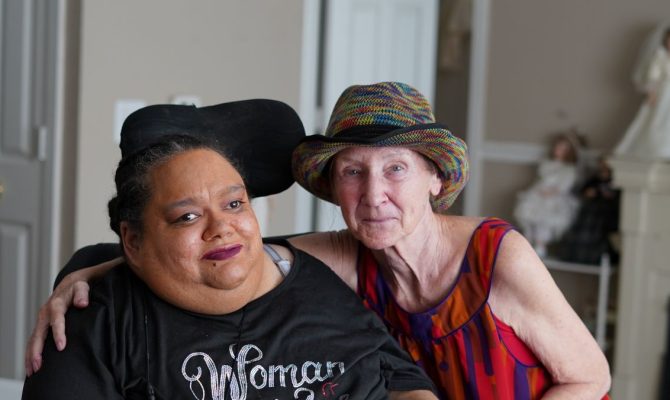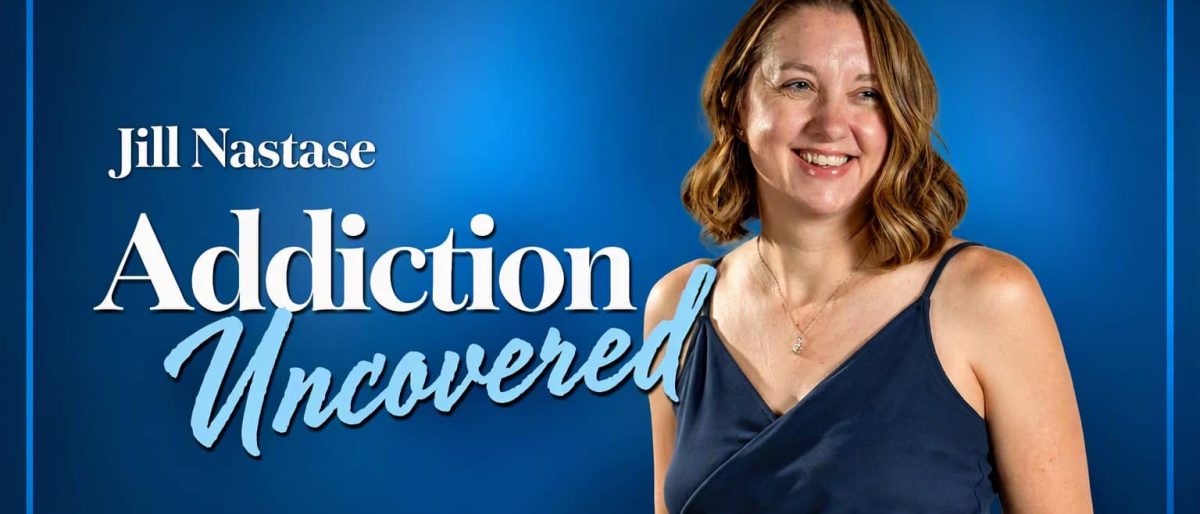
Recovery is often portrayed as a personal journey, but true healing rarely happens alone. In a special bonus episode of “Addiction Uncovered,” host Jill Nastase of Lutheran Family Services sits down with recovery advocate Tom Farley, brother of the late actor/comedian Chris Farley, and substance use counselor Belle Morey to discuss the power of connection, the impact of shame and isolation, and why community plays such a critical role in long-term recovery.
Their stories are different, but they share a common message: healing begins when people stop carrying their struggles by themselves.
Recovery Beyond Survival Mode
For many people living with addiction, survival becomes the primary focus. Trauma, unhealthy relationships, substance use, and mental health struggles can create a cycle that feels impossible to escape.
“Addiction Uncovered” guest Belle Morey knows that reality firsthand.
Today, she is a substance use counselor, recovery advocate, author, and founder of Progress Is Progress. But her path to recovery included addiction, domestic violence, unhealthy relationships, and the difficult process of rebuilding her life from the ground up.
Through recovery, Belle discovered that lasting change required more than abstaining from substances. It meant addressing the underlying pain, patterns, and beliefs that kept her stuck. That experience now shapes the work she does helping others find their own path toward healing.
Telling Someone Else’s Story Isn’t Enough
Tom Farley spent years sharing the story of his brother, comedian and actor Chris Farley, whose life and death brought national attention to the realities of addiction.
As a speaker and recovery advocate, Tom focused on raising awareness about addiction and helping others understand its devastating impact. But over time, he realized something important.
While telling Chris’s story mattered, it wasn’t enough for his own healing.
Tom reflects on the moment he recognized the need to examine his own struggles and vulnerabilities rather than remaining focused solely on his brother’s experience. That shift allowed him to connect more authentically with others and deepen his own recovery journey.
His message is one that resonates far beyond addiction: Healing requires honesty, vulnerability, and connection.
Feeling Alone in a Room Full of People
One of the most powerful themes of the conversation is loneliness.
Tom describes a feeling many people know well: being surrounded by people, laughing and engaging socially, yet still feeling profoundly alone.
Isolation isn’t always physical. Sometimes it exists in the thoughts we never share, the shame we carry, or the belief that no one else could understand our experiences.
Whether someone is struggling with addiction, grief, trauma, or mental health challenges, those feelings of disconnection can become barriers to healing.
Recovery often begins when people find safe spaces to be seen, heard, and understood without judgment.
The Difference Between Honesty and Radical Honesty
The conversation explores an important distinction between simply being honest and being rigorously honest.
Growth happens when people move beyond surface-level admissions and begin confronting the deeper truths beneath their behaviors, fears, and pain.
For many in recovery, that means acknowledging emotions they’ve spent years avoiding and recognizing patterns that continue to hold them back.
While difficult, this level of honesty creates opportunities for genuine change and stronger connections with others.
Filling the “Hole in the Chest”
Belle shares an analogy that resonates with many people in recovery.
She describes the feeling of carrying a “hole in the chest,” a sense of emptiness that individuals often try to fill through substances, relationships, external validation, or unhealthy coping mechanisms.
The challenge is that none of those temporary solutions truly address the underlying need.
Recovery is about learning healthier ways to address that emptiness through self-awareness, purpose, connection, service, and supportive relationships.
It’s not about becoming perfect. It’s about making progress.
As Belle’s organization reminds people: Progress is progress.
The Opposite of Isolation Is Belonging
Perhaps the most powerful takeaway from the episode is the idea that the opposite of isolation isn’t simply being around other people.
It’s belonging.
Belonging means feeling accepted, valued, and connected to a community that understands your experiences and supports your growth.
For individuals in recovery, belonging can be found through peer support groups, counseling, recovery communities, faith communities, family relationships, or organizations dedicated to creating spaces where people feel safe sharing their stories.
When people experience genuine belonging, recovery becomes less about surviving and more about thriving.
Building Recovery Communities Together
That commitment to connection inspired the creation of Real Talk Recovery 2026: Progress in the Northwoods, a free community event designed to bring people together around recovery, education, and hope.
The event welcomes individuals in recovery, family members, professionals, advocates, and community members to learn from one another and strengthen local recovery networks.
What began as a small community idea has evolved into something much larger, reflecting a growing desire for conversations that reduce stigma and create meaningful connection.
The event also highlights an important lesson for communities everywhere: effective recovery support happens when people from different backgrounds come together with a shared commitment to understanding and hope.
Why Community Matters More Than Ever
Throughout the episode, Tom and Belle emphasize that recovery is not a one-size-fits-all experience. People find healing through different pathways, but nearly all successful recovery journeys have one thing in common: relationship.
Supportive connections help people move through shame, stay accountable, celebrate progress, and remember they are not alone.
This is particularly important in rural communities, where resources may be limited but close-knit relationships can become powerful sources of support.
By creating environments where people feel safe discussing addiction and mental health, communities can help transform isolation into connection and stigma into understanding.
Final Takeaway
Recovery is not about having all the answers. It’s about taking the next step and allowing others to walk beside you.
As Belle Morey and Tom Farley remind us, healing doesn’t happen in isolation. It happens in relationships, in community, and in the courage to be seen as we truly are.
For Information About Addiction Services through LFS please visit: LFS Substance Use Treatment

About Addiction Uncovered: I’m Jill, a Licensed mental health and addiction counselor, and a sober mom of 2 teens. With over 15 years of experience in behavioral health, I’ve listened to countless stories from those grappling with addiction and pursuing recovery. These stories inspired me to establish a space where people can share their experiences, bringing hope to those currently facing addiction. We’ll talk about what it’s like being sober, how to access support, how to fight stigma, and ways to support loved ones in their struggle.